
Who's responsible for plumbing repairs: landlord or tenant in South Carolina?
By Sofia Tan · Updated 2026-07-13
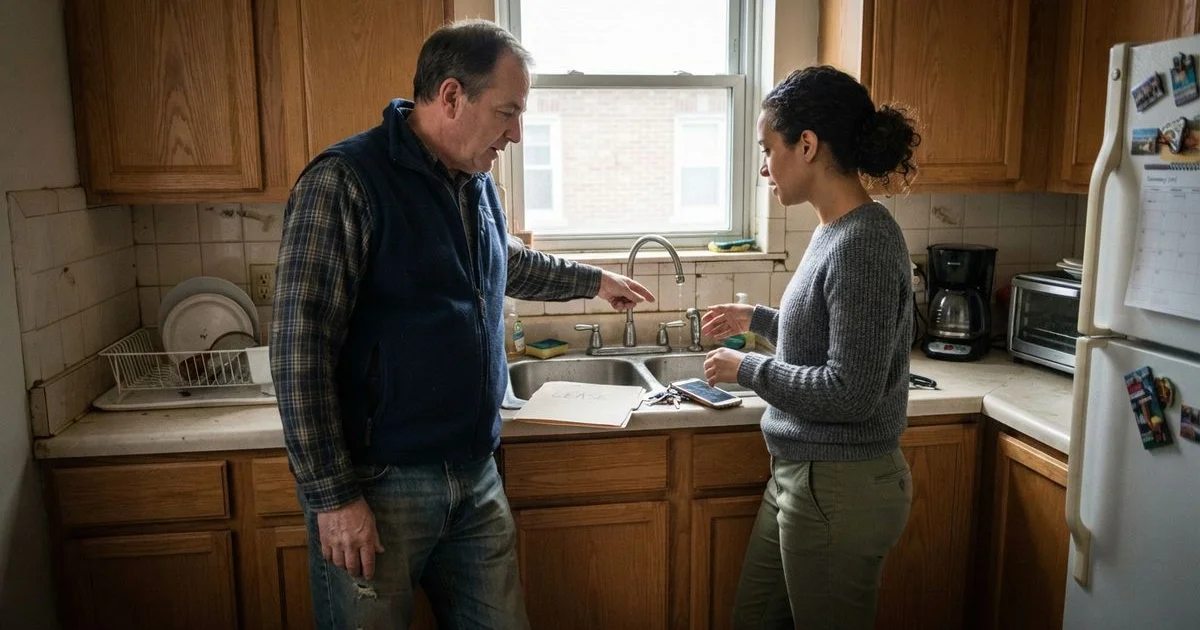
This is general information about how landlord-tenant plumbing responsibility typically works in South Carolina, not legal advice. Lease terms and specific circumstances vary, so consult your lease or a tenant rights resource for your situation.
Plumbing repair responsibility is one of the more common sources of friction between landlords and tenants, mostly because the general rule is simple but the specific situations rarely are.
The general split
South Carolina, like most states, holds landlords responsible for maintaining a habitable rental property, which includes functioning plumbing: working water supply, a functioning toilet, and no significant leaks that threaten the property or a tenant’s health and safety. This is usually treated as a baseline obligation regardless of what a lease says, since a rental has to meet basic livability standards.
Where it gets more specific is in day-to-day maintenance versus tenant-caused damage. A pipe that fails from normal age or wear is generally the landlord’s responsibility to fix. A clog caused by something a tenant flushed that shouldn’t have been, or damage from tenant negligence, typically shifts responsibility (and often cost) to the tenant.
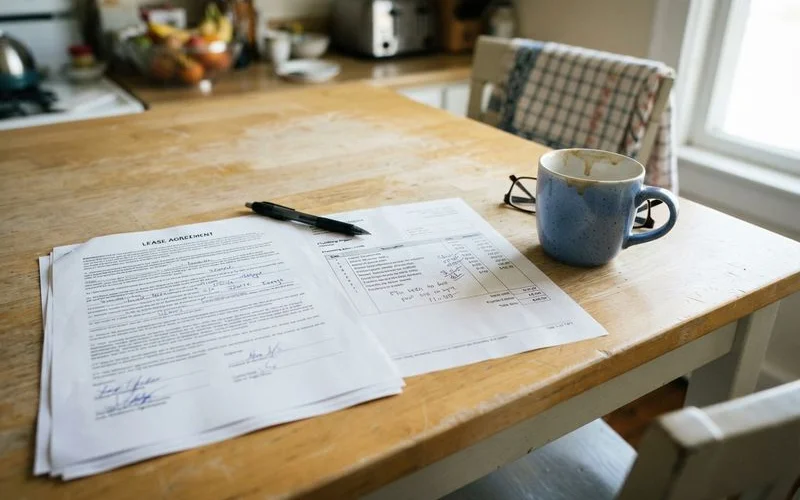
How it typically breaks down
| Situation | Usually the landlord’s responsibility | Usually the tenant’s responsibility |
|---|---|---|
| No hot water or no water at all | Yes, treated as a habitability issue | |
| Pipe failure from age or normal wear | Yes | |
| Clog caused by tenant misuse (wrong items flushed) | Yes | |
| Damage from tenant negligence (ignoring a known leak) | Yes | |
| Fixture wear from normal use (worn washer, aging valve) | Usually yes, as ordinary maintenance | |
| Tenant-installed fixtures or modifications | Depends on lease terms | Often, if not landlord-approved |
What to do if there’s a dispute
Most disputes come down to disagreement over cause: was this normal wear the landlord should cover, or tenant-caused damage. A few things help regardless of which side of it you’re on:
- Document everything in writing, including photos and the date an issue was first reported, rather than relying on a verbal conversation.
- Report plumbing issues promptly. Delaying a report, especially for something like a slow leak, can complicate who’s responsible if it worsens over time.
- Check your specific lease language, since many leases spell out maintenance responsibilities in more detail than the general legal baseline.
- Understand that rent withholding has specific legal requirements in South Carolina and carries real risk if done incorrectly. It’s not a first-line response to a slow repair.
A note for landlords managing multiple units
If you’re managing several rental properties, a consistent process helps more than reacting case by case. Having a plumber’s contact on file that tenants can reach directly for non-emergencies, along with a clear written policy on what tenants should report immediately versus what can wait for a routine visit, cuts down on both response delays and the kind of disputes that come from unclear expectations. It’s also worth keeping a simple record of plumbing repairs per unit, since a pattern of recurring issues in one property often points to an aging system worth addressing proactively rather than unit by unit as things fail. If fixing it means bigger work like repiping or a new fixture install, our guide to plumbing permits and licensing in South Carolina covers when that kind of job needs a permit.
Getting a repair done regardless of who pays
Whether you’re a landlord arranging routine maintenance or a tenant dealing with an unresponsive landlord, having a reliable plumber matters either way. Our scoring methodology explains how we evaluate responsiveness and honest diagnosis across the plumbers listed on the home page, which is useful context whether you’re the one calling or the one waiting on someone else to.
If a dispute over responsibility is ongoing but the issue itself is urgent, like no water or an active leak, addressing the immediate plumbing problem shouldn’t wait on resolving who ultimately pays for it. Sorting out reimbursement or responsibility afterward, with the documentation from that repair in hand, is far easier than leaving a genuine hazard unaddressed while the argument over fault plays out.
FAQ
- Does my lease override the general rule about repair responsibility?
- A lease can specify responsibilities in more detail, but it generally can't waive a landlord's basic obligation to maintain a habitable rental, which includes functioning plumbing. Read your specific lease language, since it often clarifies who handles what beyond the baseline.
- What counts as a habitability issue versus a minor repair?
- No hot water, no working toilet, or a leak causing significant damage typically fall under habitability, meaning the landlord has an obligation to address them promptly. A dripping faucet or a slow drain is usually treated as routine maintenance rather than a habitability emergency.
- Can I withhold rent if my landlord won't fix a plumbing issue?
- This is a serious step with specific legal requirements around notice and process in South Carolina, and doing it incorrectly can put you at risk. Consult a tenant rights resource or attorney before withholding rent rather than assuming it's a safe first move.
- Am I responsible for a clog I caused, like flushing something I shouldn't have?
- Generally, yes. Damage or clogs caused by tenant misuse, as opposed to normal wear or a pre-existing plumbing issue, are typically the tenant's responsibility, and this distinction often comes up in disputes over who pays.