
Backflow prevention and gas line rules in South Carolina: what's required
By Sofia Tan · Updated 2026-07-08
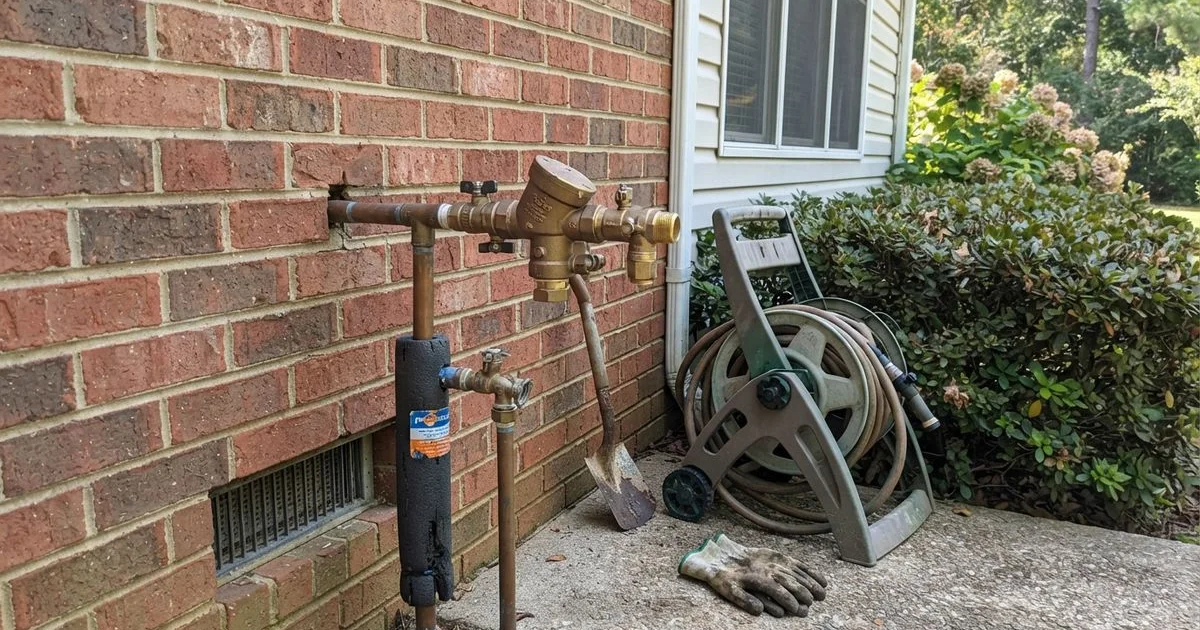
This is general information about how backflow prevention and gas line requirements typically work in South Carolina. Specific rules vary by local water utility and municipality, so confirm current requirements with your provider or local building department.
Backflow prevention and gas line safety don’t get much attention until something forces the issue, a utility notice, a home sale, or a renovation that suddenly requires it. Both exist for a genuine safety reason, and both come with ongoing responsibilities that fall on the property owner, not just the installer.
Backflow prevention: why it’s required at all
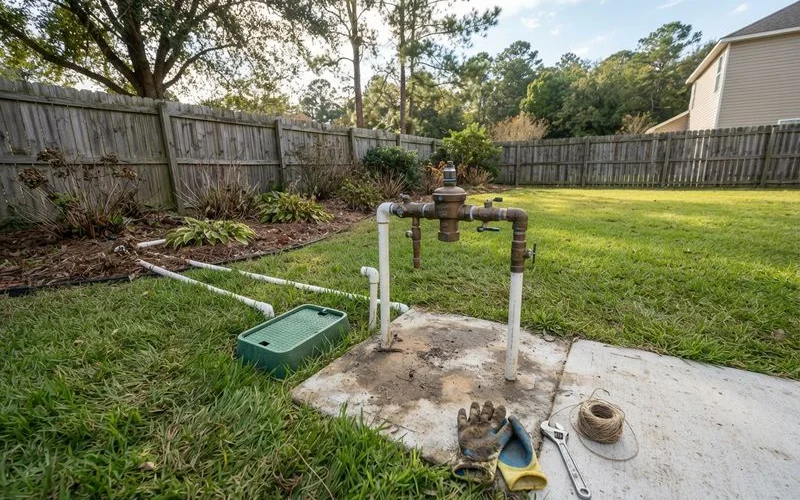
A backflow preventer stops water from reversing direction and flowing back into the public water supply if pressure in the main line drops. Without one, contaminated water from your home’s plumbing, anything from irrigation chemicals to standing water, could theoretically flow backward and affect your neighbors’ water too. That’s why most South Carolina municipalities require them for certain configurations rather than leaving it optional.
Properties most likely to require a backflow preventer include those with lawn irrigation systems, swimming pools, or fire suppression systems, along with most new construction and significant renovation projects. Once installed, many jurisdictions require annual testing to confirm the device still functions, and that testing responsibility sits with the property owner, not the water utility.
Gas line rules: testing is built into the work
Gas line requirements work differently. Rather than an ongoing homeowner responsibility like backflow testing, gas line safety is enforced at the point of installation or repair. Any new gas line work or repair must pass a pressure test before the system is activated, confirming the line holds pressure without leaking. This is performed by the licensed plumber doing the work, documented, and typically required before a gas utility will restore or activate service.
South Carolina requires plumbers performing gas work to carry licensing specific to that trade, beyond a general plumbing license, which is worth confirming before hiring anyone for gas line installation or repair.
| Requirement | Who’s responsible | How often |
|---|---|---|
| Backflow preventer installation | Property owner, via a licensed plumber | Once, at installation or when a trigger event (renovation, irrigation, new construction) applies |
| Backflow preventer testing | Property owner | Typically annually, per local utility requirements |
| Gas line pressure testing | Licensed plumber performing the work | Every time new gas line work or a repair is completed |
| Gas-specific licensing verification | Homeowner, before hiring | Before any gas line work begins |
What this means practically
If you’re adding an irrigation system, a pool, or doing a significant renovation, ask upfront whether it triggers a backflow prevention requirement rather than finding out after the work is done. If you already have a backflow preventer, check whether your local water utility requires annual testing and whether that’s been kept current, since it’s easy for this kind of recurring, invisible requirement to lapse without an obvious symptom.
If you’re buying a home, ask whether it has a backflow preventer and, if so, when it was last tested. Sellers and their agents don’t always volunteer this, and it’s a reasonable question during a purchase, since an overdue test becomes your responsibility the moment you close. The same goes for gas lines: if a previous owner had gas work done, ask for documentation of the pressure test rather than assuming it was handled correctly.
Common mistakes worth avoiding
A few patterns come up repeatedly with both requirements. Homeowners sometimes assume a backflow preventer, once installed, doesn’t need further attention, and let annual testing lapse for years without realizing it. Others hire an unlicensed handyman for a small gas line adjustment, not realizing that gas work specifically requires additional credentials beyond a general plumbing license, which can leave the work undocumented and potentially unsafe. Being aware of both tendencies is the easiest way to avoid becoming a case study in either one.
For gas work specifically, confirm your gas line provider is licensed for gas work and ask them directly to confirm the pressure test was performed and documented before you consider the job finished. Our scoring methodology explains how we weigh licensing and code compliance across the providers listed on the home page, which matters more here than in routine plumbing work, since both of these requirements exist to protect more than just your own household.
If you’re dealing with an active leak rather than routine compliance, gas leak warning signs and what to do before the plumber arrives covers the immediate safety steps. And if you want more detail on what a gas line pressure test actually involves, our glossary breaks down the process.
FAQ
- Do all homes need a backflow preventer, or just some?
- Requirements vary by local water utility, but they commonly apply to properties with irrigation systems, pools, or certain plumbing configurations that create a higher risk of contamination. New construction and significant renovations often trigger the requirement even where it wasn't previously in place.
- Who is responsible for annual backflow testing?
- The property owner. It's not something the water utility handles automatically, and missing a required annual test can result in a notice from the utility, since the device protects the shared water supply, not just your own home.
- Is gas line pressure testing something I need to schedule myself?
- No, this is performed by the plumber doing the gas work as a required part of any new installation or repair, not a separate maintenance item a homeowner schedules independently.
- What happens if a required backflow test is skipped?
- Utilities can issue a notice of noncompliance, and in some cases restrict water service until the test is completed. It's treated seriously because a failed backflow preventer is a public water safety issue, not just a private one.