
Gas leak warning signs and what to do before the plumber arrives
By Sofia Tan · Updated 2026-06-09
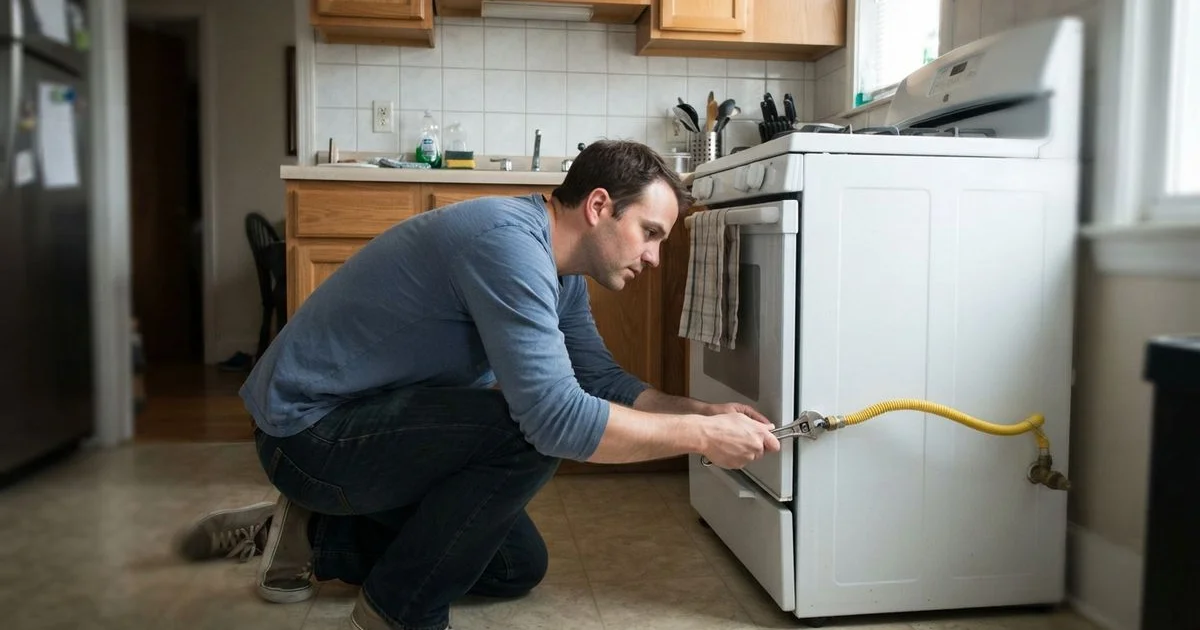
This is general safety information, not a substitute for professional inspection or emergency response. If you suspect an active gas leak, treat it as an emergency.
A gas leak is one of the few plumbing-adjacent problems where the right first move isn’t to investigate, it’s to leave. Natural gas and propane systems are safe under normal operation, but a damaged line, a failed connection, or an old fitting can let gas escape, and the risk isn’t just the smell, it’s fire and carbon monoxide exposure.
Recognizing the warning signs
Gas itself has no odor. Utilities add mercaptan, a sulfur-based compound, specifically so a leak is noticeable. That’s the rotten egg or sulfur smell people describe. But smell isn’t the only signal.
- A hissing or whistling sound near a gas meter, appliance connection, or exposed line, even faint
- Dead or discolored vegetation in a patch of yard near an underground gas line, with no other explanation
- A pilot light that won’t stay lit, or a stove or furnace flame that looks unusually orange instead of blue
- Physical symptoms in the house that ease when you go outside: headache, dizziness, or nausea, which can point to carbon monoxide from an appliance malfunction rather than a leak itself, but warrant the same response
Any one of these on its own is worth investigating. More than one together means don’t wait.
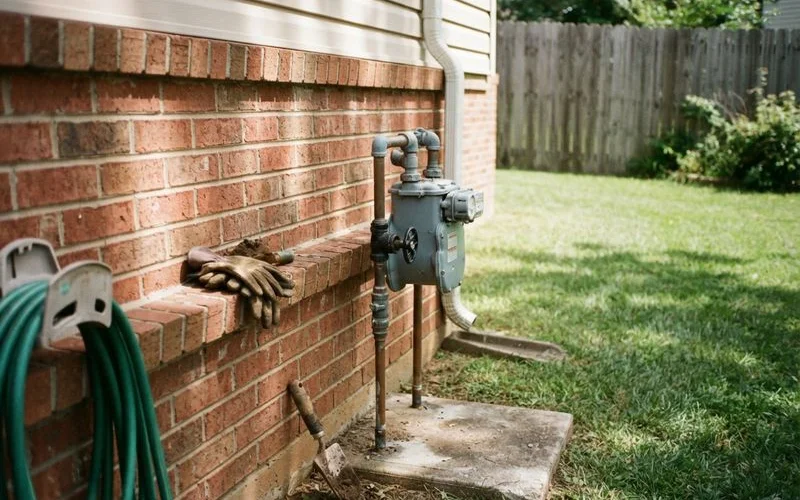
What to do in the moment
| If you notice this | Do this first | Do not do this |
|---|---|---|
| A strong rotten egg smell inside | Leave the house immediately, leave doors open on your way out | Flip light switches, use a phone inside, or search for the source |
| A smell or hissing outdoors near the meter | Move away from the area, keep others away too | Try to shut off the meter yourself unless trained to |
| A pilot light or appliance flame acting strangely | Turn off that appliance if it’s safe to reach without lingering | Ignore it and relight repeatedly |
| Physical symptoms that ease outdoors | Get everyone, including pets, outside and get fresh air | Stay to investigate the cause |
Once you’re safely away from the house, call your gas utility’s emergency line. This is different from a routine repair call. Utilities typically respond to suspected leaks quickly because of the safety risk, and they may need to shut off or inspect the meter before anyone re-enters. After the utility has assessed it, a licensed plumber handles locating and repairing the actual break in the line, testing the repaired section under pressure, and coordinating with the utility on restoring service.
After the immediate danger passes
Once it’s safe to return, the follow-up work matters as much as the initial response. A plumber licensed for gas work should pressure-test any repaired section before the gas is turned back on, not just patch the visible damage and call it done. If your home runs older black iron piping, ask whether the leak was isolated to one fitting or whether it points to a broader issue with the line’s age or condition.
This is also a reasonable moment to have someone check your carbon monoxide detectors if you have gas appliances like a furnace or water heater, since CO risk often travels alongside gas system problems even when they’re not the same failure.
South Carolina requires plumbers doing gas line work to be licensed for it specifically, not just generally licensed for plumbing, so it’s worth confirming that credential before hiring anyone for a repair. You can browse gas line providers serving the Aiken area and check licensing and review history before you need one on short notice. Our scoring methodology explains how we evaluate responsiveness and workmanship across the providers listed on the home page.
For the wider regulatory picture, including backflow rules that often come up during a gas line inspection, see backflow prevention and gas line rules in South Carolina. If you’re dealing with a leak right now rather than researching for later, gas leak emergency response connects you with plumbers who treat it as the urgent call it is.
A gas leak isn’t a wait-and-see situation. The cost of being overly cautious is a wasted trip outside. The cost of waiting to be sure is much higher.
FAQ
- What does a gas leak actually smell like?
- Natural gas and propane are odorless on their own, so utilities add a chemical called mercaptan, which smells like rotten eggs or sulfur. If you notice that smell near an appliance, meter, or gas line, treat it as a leak until proven otherwise.
- Can I use my phone to call for help if I smell gas inside?
- Get outside first, then call. Any spark, including from a phone, light switch, or garage door opener, is a real risk in a gas-filled space. Once you're safely outside and away from the house, call your gas utility's emergency line.
- How is a gas leak different from a hissing sound near an appliance?
- A hissing or whistling sound near a gas line or appliance connection is often a sign of an active leak, even without a strong smell yet, especially outdoors where odor disperses quickly. Treat it the same way: leave the area and report it.
- Will my gas company or a plumber turn my service back on after a leak?
- Often the utility needs to inspect and clear the line before restoring service, especially if they shut off the meter. A plumber handles the actual repair, but coordinating the restart with the utility is common, so ask how the plumber you call handles that step.