
Is your water heater a safety risk? Warning signs to watch for
By Sofia Tan · Updated 2026-06-20
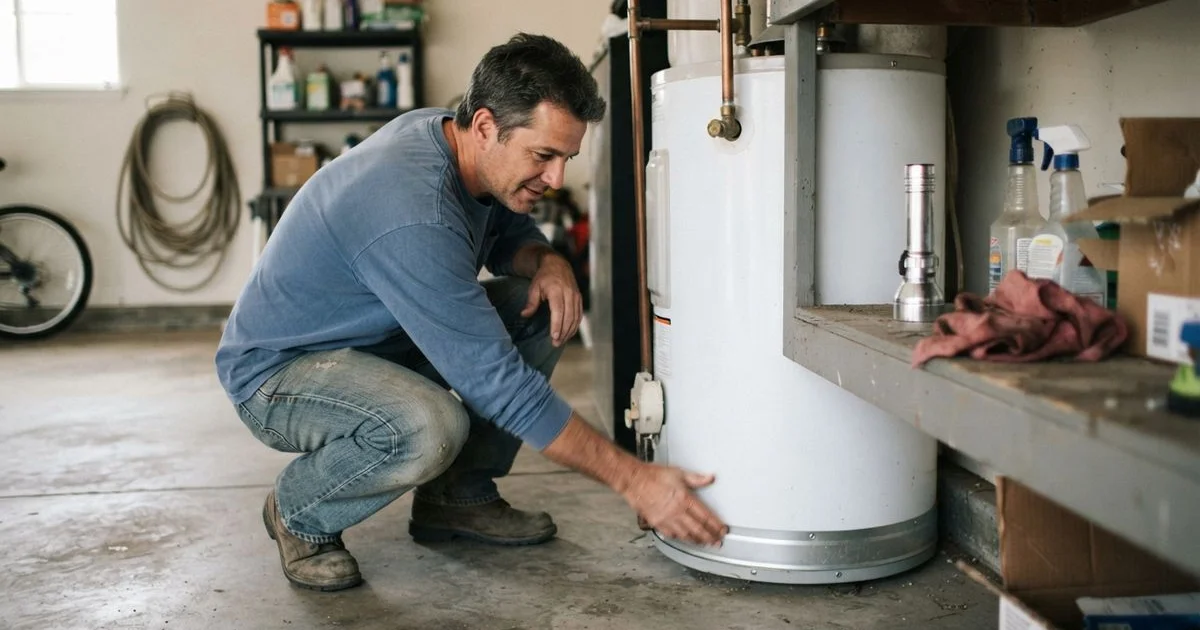
This is general safety information, not a substitute for a professional inspection. If your water heater shows signs of active failure, treat it as urgent.
A water heater fails slowly most of the time, which is exactly why the warning signs get ignored. It’s easy to shrug off a strange noise or a slightly rusty tap for months. The problem is that a handful of those signs point to a genuine safety issue, not just an inconvenience.
Signs that go beyond “it’s just old”
Most water heater problems are annoying but not dangerous: a longer wait for hot water, a slightly lower flow, mineral taste. A smaller set of signs are worth treating differently.
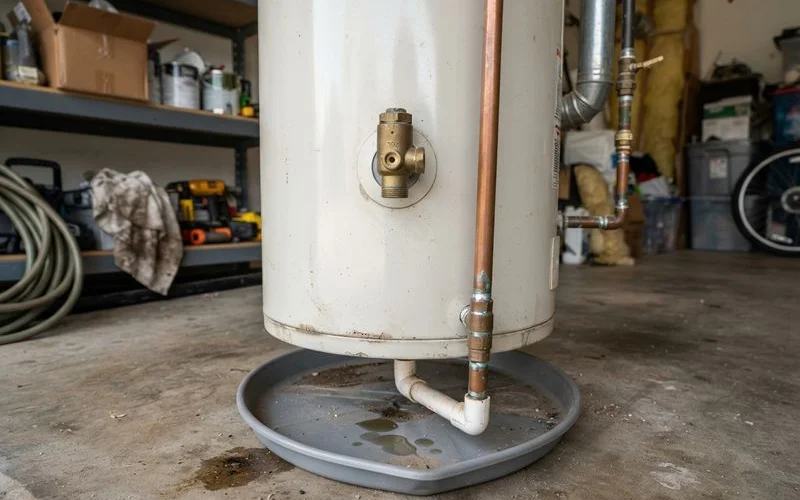
- Water pooling at the base of the tank. This usually means the tank itself has started to fail internally, not just a loose fitting. A tank that’s actively leaking from the bottom is near the end of its life.
- Water that’s uncomfortably hot without you changing the setting. A malfunctioning thermostat can push water temperature well past a safe range, and scalding can happen in seconds at higher temperatures.
- Dripping or discharge from the relief valve on top of the tank. This valve exists specifically to release pressure or temperature that’s built up beyond a safe limit. Regular dripping means something upstream, often the thermostat or excess pressure in the system, is pushing the tank past normal operating conditions.
- A rotten egg smell near a gas water heater. Treat this the same as any suspected gas leak: leave the area and get it checked before assuming it’s just the unit.
- Rust-colored water or visible rust on the tank exterior. Internal corrosion is often further along than external rust suggests, and it’s one of the more reliable signs a tank is closer to failure than repair.
What’s worth a same-week call versus an emergency call
| Sign | Urgency | Why |
|---|---|---|
| Slightly longer wait for hot water | Not urgent, monitor | Common as units age, not a safety issue |
| Popping or rumbling sounds | Schedule service soon | Sediment buildup, worth addressing before it worsens |
| Water pooling at the base | Same-day if possible | Tank failure risk, water damage risk |
| Relief valve dripping regularly | Same-week | Signals pressure or temperature issue upstream |
| Rotten egg smell near a gas unit | Leave and call immediately | Possible gas leak, treat as an emergency |
| Water noticeably scalding at normal settings | Same-day | Real burn risk, especially for children and older household members |
A quick monthly check that catches most of this early
You don’t need a plumber’s visit to stay ahead of most of these signs. Once a month, take thirty seconds to glance at the base of the tank for moisture, check that the area around the relief valve’s discharge pipe is dry, and run a hand near (not on) the tank exterior to feel for unusual heat or vibration. If you have a gas unit, a quick sniff near the base is enough to catch an early gas smell before it becomes a bigger concern. None of this requires special tools, and catching a slow leak in its first week rather than its third month is the difference between a quick fix and a bigger repair.
Why this matters more than it seems
The relief valve dripping and the tank pooling water are the two signs people most often wait on, and they’re the two that matter most. A relief valve exists as a safety mechanism, not a maintenance annoyance, and a tank that’s actively leaking is one that’s failing structurally, not one that just needs a minor part swapped.
None of this means panicking over a normal-aging unit. Most tank water heaters last somewhere between 8 and 12 years, and a unit approaching that range showing minor signs, like slightly reduced hot water volume, is behaving normally. The signs above are different because they point to an active safety condition rather than gradual wear.
If you’re not sure which category your situation falls into, a water heater specialist can tell you quickly whether it’s a simple part replacement, like a thermostat or relief valve, or a sign the whole unit needs to come out. Our scoring methodology explains how we evaluate responsiveness and diagnostic honesty across the providers listed on the home page, which matters here since a same-day safety issue isn’t the moment to gamble on an unfamiliar company.
If you catch a rotten-egg smell near a gas unit, treat it exactly like any other suspected gas leak: leave the area first and sort out the water heater after. And if the relief valve keeps dripping regardless of what you adjust, that’s the safety device doing its job, not a nuisance to ignore.
FAQ
- Is a popping or rumbling sound from my water heater dangerous?
- It's usually sediment buildup at the bottom of the tank, not an immediate danger, but it does mean the unit is working harder than it should and may be a sign to schedule maintenance or flushing before it gets worse.
- How hot is too hot for tap water?
- Most water heaters are set around 120 degrees Fahrenheit by default, which balances safety and usefulness. Water above about 140 degrees can cause scalding in seconds, especially for young children or older adults, so an unusually hot tap is worth checking.
- What should I do if I see water pooling under the tank?
- Shut off the water supply and, if it's gas, the gas supply to the unit if you can reach it safely, then call a plumber. Pooling water usually means the tank itself is failing, which is a repair-versus-replace conversation, not a quick fix.
- Do tankless water heaters have the same risks as tank units?
- Some overlap, like scalding risk from temperature settings, but tankless units don't carry the same tank-rupture concern since there's no large standing reservoir of hot, pressurized water. They have their own issues, mainly around venting and gas supply for gas-fired models.