
DIY vs calling a plumber: what you can safely fix yourself
By Sofia Tan · Updated 2026-07-10
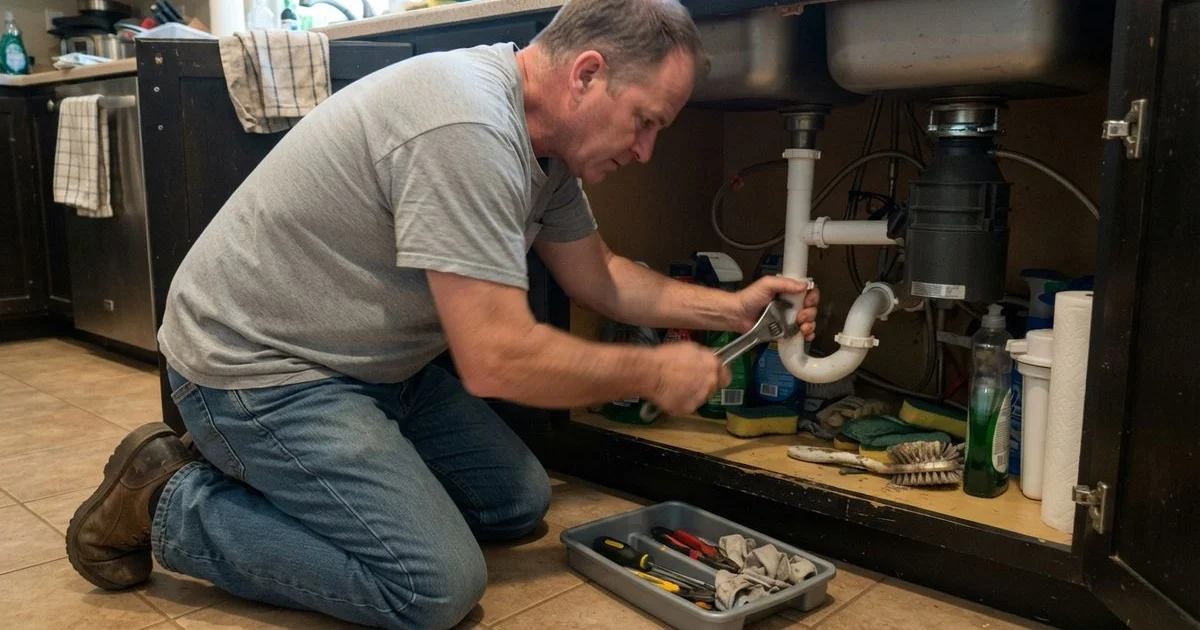
Plumbing sits in an odd spot for DIY: some jobs are genuinely simple and safe to learn, while others carry real consequences if they go wrong, and it’s not always obvious which is which until you’re already in the middle of one.
What’s reasonable to handle yourself
A handful of common plumbing tasks are low-risk enough that most homeowners can learn them without much trouble.
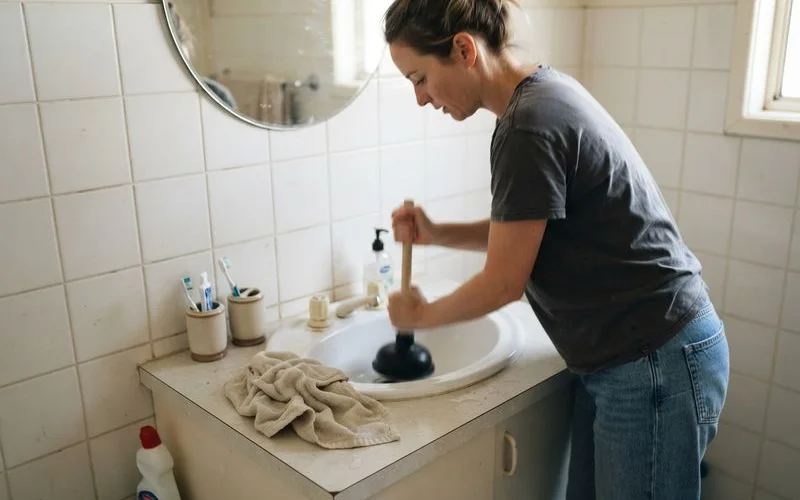
- Unclogging a single slow drain with a plunger or a basic hand-crank drain snake, for hair, soap, or minor buildup
- Replacing a toilet flapper or fill valve when a toilet runs constantly, which is usually a straightforward part swap
- Tightening a loose faucet handle or replacing a worn washer for a minor drip
- Replacing a showerhead or faucet aerator, which rarely involves the water line itself
- Clearing a P-trap under a sink if it’s visibly clogged, since it’s accessible and designed to be opened for exactly this reason
Where the risk starts outweighing the savings
Other jobs look similarly approachable but carry consequences that aren’t obvious until something goes wrong.
- Anything involving gas lines. This isn’t a place to learn by doing. A mistake here is a safety issue, not just a bad repair, and South Carolina requires specific licensing for gas work for exactly this reason.
- Water heater installation or major repair. Beyond the plumbing connections, it involves gas or electrical work, code-required safety devices, and correct venting, all of which matter more than they appear to from the outside.
- Anything requiring you to open a wall, ceiling, or slab. Even if the pipe repair itself is simple, the access work risks damaging structure or other systems, and patching it back properly is its own skill.
- Main sewer line issues. Diagnosing whether it’s a simple clog or a structural problem (a collapsed section, root intrusion) requires equipment most homeowners don’t have, like a camera inspection tool.
- Anything under active water pressure that you can’t fully shut off first. Working on a pressurized line without a reliable shutoff is how a small leak becomes a flood.
A quick way to decide
| Ask yourself | If yes, DIY is reasonable | If no, call a plumber |
|---|---|---|
| Can I shut off water to just this fixture? | Likely safe to attempt | Higher risk if something goes wrong mid-repair |
| Does it involve gas or electrical connections? | N/A, this is a red flag on its own | Call a licensed plumber |
| Do I need to open a wall, floor, or slab to reach it? | Rarely a good DIY candidate | Call a plumber |
| Can I picture every step before starting? | Good sign | If you’re not sure what’s next, stop and call |
| Is this a repeat problem I’ve “fixed” before? | Worth investigating the real cause instead of repeating a temporary fix | A pattern usually means an underlying issue a DIY fix won’t solve |
Basic tools worth having on hand either way
Even if you plan to call a plumber for anything beyond the basics, a few tools help you handle small issues and communicate better when you do need to bring someone in: a plunger sized for both sink and toilet use, a basin wrench for reaching cramped fittings under a sink, an adjustable wrench, and a headlamp for crawlspace or under-cabinet visibility. Knowing where your main shutoff wrench or valve key is, if your home uses one, belongs on this list too, since it’s the tool you’re least likely to think about until you urgently need it.
When a DIY attempt makes the professional job harder
One thing worth knowing before you start: a failed DIY attempt can sometimes make the eventual professional repair more expensive, not less, particularly with chemical drain cleaners (which can damage pipes a plumber later has to work on) or overtightened fittings (which can crack and require more extensive replacement than the original problem). If you’re not confident partway through, stopping and calling is usually cheaper than pushing forward and hoping.
Our scoring methodology explains how we evaluate plumbers on honest communication, which matters here too, since a good plumber will tell you plainly whether your instinct to DIY a particular job is reasonable or not. You can browse local providers from the home page whenever a job crosses from weekend project into something worth a professional.
FAQ
- Is unclogging a drain always safe to DIY?
- A plunger or a basic hand-crank snake on a single slow drain is usually fine. Chemical drain cleaners are riskier than they look, since they can damage older pipes and create a hazard if a plumber later has to work on that same drain without knowing chemicals were used.
- What's the most commonly botched DIY plumbing job?
- Overtightening fittings is a frequent one. It seems like it should make a connection more secure, but it often cracks a fitting or strips threads, turning a small leak into a bigger one.
- Can I replace a water heater myself to save money?
- This isn't a recommended DIY project. It involves gas or electrical connections, code requirements, and safety devices like the relief valve, and a mistake can create a real hazard rather than just a bad repair.
- How do I know if a repair is beyond my skill level before I start?
- If the job involves gas, requires opening a wall or slab, or you can't clearly picture each step before starting, that's a sign to call a plumber rather than learn through trial and error on something that can flood or leak.