
What to expect during a drain cleaning or sewer camera appointment
By Sofia Tan · Updated 2026-06-17
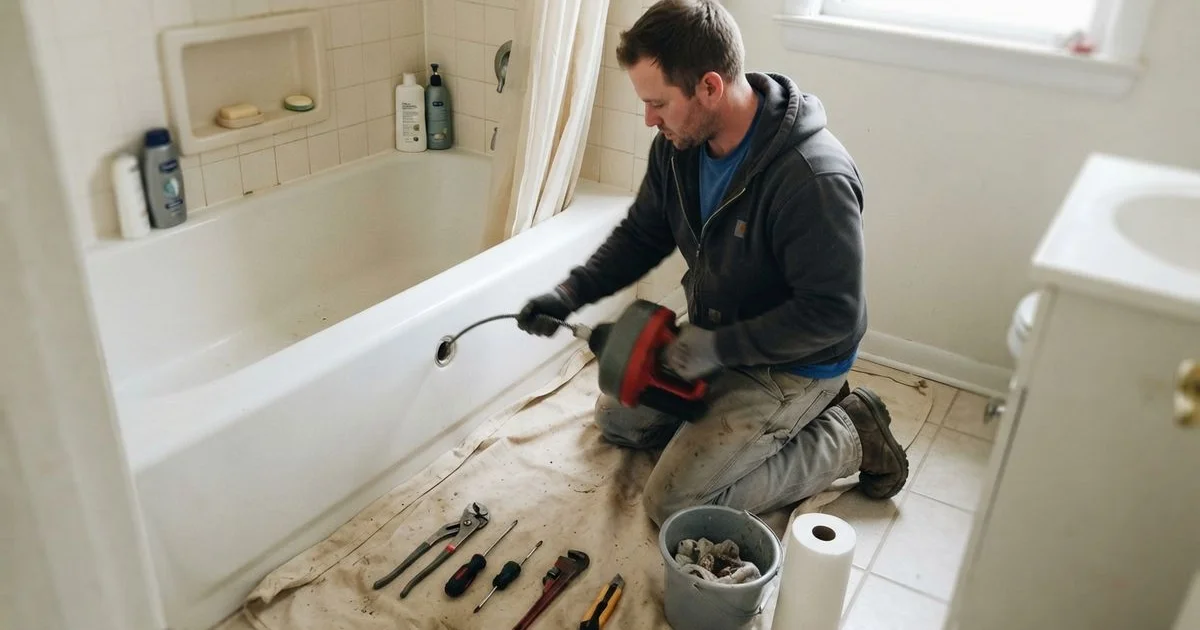
Most people call about a drain cleaning appointment the same way they’d call about any repair: with a vague idea of what’s wrong and no idea what actually happens once someone arrives. Knowing the general flow makes it easier to ask good questions and spot when something’s off.
The visit usually starts with questions, not tools
Before anything gets snaked or jetted, a plumber worth hiring asks a few things: which drains are affected, how long it’s been happening, whether it’s one fixture or multiple, and whether this has come up before. That last question matters more than it seems. A single slow drain points to a local clog. Multiple drains backing up at once, especially the lowest fixture in the house, often points toward the main line rather than something you can fix at the sink.
From there, expect a visual check of the affected area and possibly a look at the cleanout, if your drain cleaning provider suspects the issue is deeper than a single fixture.
Matching the method to the problem
Not every clog gets the same treatment, and a plumber who reaches for the most expensive tool regardless of the problem is worth questioning.
| What’s happening | Likely method | What it involves |
|---|---|---|
| Single slow drain, hair or soap buildup | Cable snaking | A flexible cable breaks up or pulls out the immediate blockage |
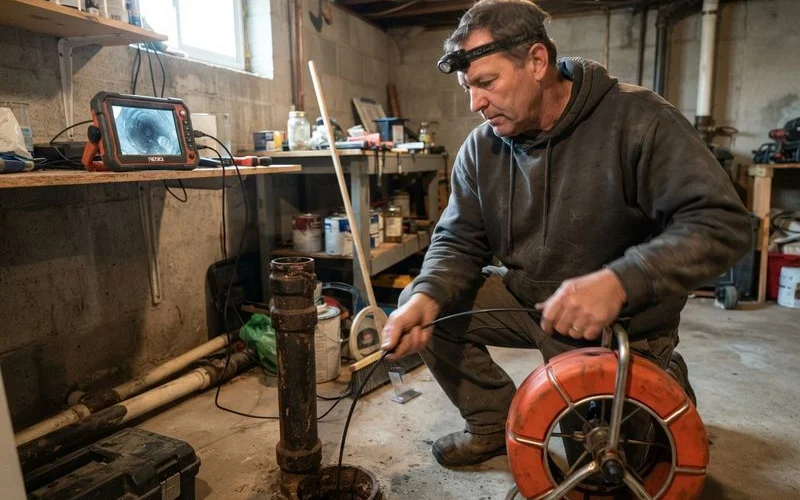
| Recurring clog in the same spot | Camera inspection first | A small camera identifies whether it’s buildup, a bellied pipe, or root intrusion before more work happens |
| Grease buildup lining the pipe walls | Hydro jetting | High-pressure water scours the full pipe diameter rather than punching a single hole through |
| Suspected root intrusion or structural damage | Camera inspection, then a repair plan | Snaking alone won’t fix a cracked or collapsed section long-term |
What a thorough plumber does differently
Reviews of local plumbers consistently point to a few habits that separate a good visit from a rushed one: technicians who explain what they’re doing as they go, who use a camera to confirm the fix rather than assuming it worked, and who don’t push an expensive method when a simpler one would solve it. On the other side, the most common complaint pattern isn’t about the repair itself, it’s about diagnostic fees that aren’t explained upfront or a quote that jumps once the plumber is already on site.
Reasonable questions to ask before work starts:
- Is this method (snaking versus jetting versus camera inspection) the right fit for what you’re describing, or is it the default option?
- If a camera inspection reveals a bigger issue, what’s the next step and will there be an added cost for it?
- Will they leave the work area as clean as they found it, particularly if they’re accessing a cleanout outside or crawling through a tight space?
Preparing before the plumber arrives
A little prep on your end speeds things up. Clear the area under the affected sink or around the cleanout so the plumber isn’t working around stored items. If you know roughly when the problem started or what you’d been doing right before (running the dishwasher, a lot of laundry, guests over for a few days), mention it. These small details sometimes point directly to the cause, like a garbage disposal overloaded with the wrong food scraps, and save diagnostic time.
After the appointment
A drain cleaning visit should leave you knowing more than you did before, not just with a clear drain. If the plumber ran a camera, ask if they can describe or show what they saw, even briefly. If the clog was caused by something specific, like grease, roots, or an aging pipe section, understanding that helps you avoid a repeat call in six months instead of treating each clog as a fresh mystery.
Not every backup stops at slow drainage. If sewage has actually come up through a fixture, see health risks of a sewage backup and how to stay safe during cleanup for the safety steps that come first.
Our scoring methodology weighs communication and follow-through alongside response speed when ranking local providers, since the difference between a good drain cleaning visit and a forgettable one usually comes down to whether the plumber explains what happened, not just whether the water drains. You can compare providers from the home page before you’re dealing with a backup that can’t wait.
FAQ
- How long does a typical drain cleaning appointment take?
- A single clogged fixture, like a slow kitchen sink, often takes under an hour. A main line clog with camera diagnosis and hydro jetting can run several hours, especially if access is difficult.
- Will the plumber need to come inside, or can they work from outside?
- Both, usually. They'll typically want to see the affected fixture inside, then may access the main line through an outdoor cleanout if your home has one, which avoids working through a toilet or interior drain.
- Do I need to be home for the whole appointment?
- For anything beyond a simple fixture clog, yes, or at least reachable. If the plumber finds the issue is bigger than expected, like root intrusion or a collapsed section, you'll want to be available to discuss options rather than have decisions made without you.
- What if the clog comes back a few weeks later?
- If a clog clears easily but returns quickly, that's a sign the plumber may be treating a symptom rather than the underlying cause. Ask about a camera inspection at that point rather than repeating the same snaking service.