
Does homeowners insurance cover plumbing damage in South Carolina?
By Sofia Tan · Updated 2026-06-23

This is general information about how homeowners insurance typically treats plumbing damage, not advice on your specific policy. Insurance terms vary significantly between insurers and individual policies, so confirm coverage details with your provider.
Plumbing failures and insurance claims intersect in a way that trips up a lot of homeowners: the water damage is often covered, but the plumbing repair that caused it usually isn’t. Knowing that distinction before you’re filing a claim saves a lot of confusion.
The general pattern: damage yes, plumbing no
Most standard homeowners policies cover water damage that results from a sudden and accidental event, like a pipe that bursts without warning. The insurer typically pays to repair or replace flooring, drywall, ceilings, and damaged belongings. What it usually does not cover is fixing the pipe itself, since that’s treated as a maintenance or repair cost, similar to how insurance doesn’t pay to fix a broken appliance, only the damage that appliance’s failure caused.
This split surprises people the most right after a burst pipe: the insurance check covers the new flooring, but the plumber’s invoice for the actual repair is a separate, out-of-pocket cost. For a general sense of what that line item might run, see our plumbing repair cost breakdown for Aiken, SC.
What tends to be covered versus excluded
| Situation | Typically covered | Typically excluded |
|---|---|---|
| Sudden pipe burst from freezing | Yes, often, if reasonable heat was maintained | The pipe repair itself; freeze damage if the home was left unheated |
| Water heater failure causing flooding | Usually, for the resulting water damage | Replacing the failed water heater unit |
| Slow, long-term leak behind a wall | Rarely | Often excluded as gradual damage or lack of maintenance |
| Sewer or drain backup | Only with a specific sewer backup endorsement | Not covered under a standard policy without that add-on |
| Storm-related plumbing damage | Case by case, depends on policy | Flood-specific damage, which usually needs separate flood coverage |
Sewer backup coverage is worth calling out specifically. It’s frequently sold as an optional add-on rather than included by default, and it’s one of the more common gaps homeowners discover only after a backup happens.
How to protect a claim before you file it
The strength of a plumbing-related claim usually comes down to documentation, not persuasion. A few habits make a real difference:
- Get a plumber’s written diagnosis as soon as you notice the problem, including their assessment of whether the failure was sudden or had been developing for a while.
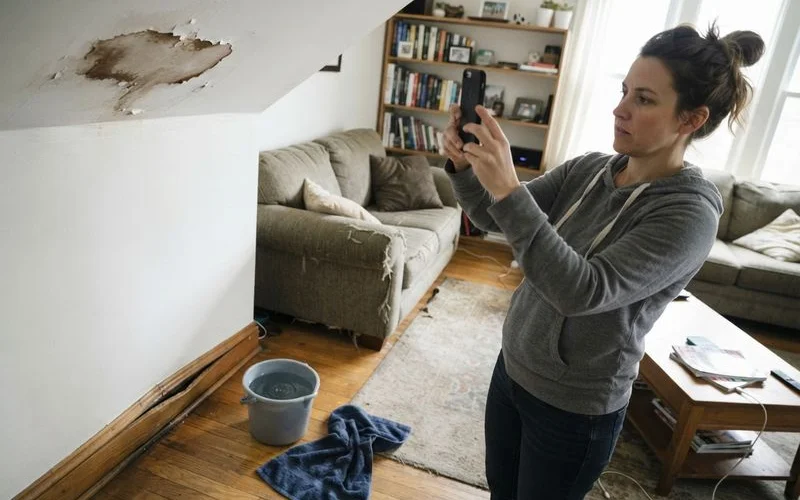
- Take photos before any cleanup starts, including the source of the leak if it’s visible, not just the resulting damage.
- Keep the failed part or a photo of it if a plumber removes and replaces it. It can matter later if the insurer questions the cause.
- Avoid describing the problem informally on the phone in a way that sounds like it had been going on for months, even if you’re just being casual. That framing can work against a claim for gradual damage exclusions.
A note on sewer backup coverage specifically
Given how often this specific gap surprises homeowners, it’s worth a separate look at your policy now, before you ever need it. Call your insurer or check your declarations page for a sewer or drain backup endorsement, and if it’s not there, ask what it would cost to add. A backup can affect flooring, drywall, and belongings across a large area, and finding out after the fact that this specific damage type was never covered is one of the more frustrating outcomes homeowners describe.
When it’s not worth filing at all
Small, contained water damage sometimes costs less to pay for directly than to file a claim over, especially given deductibles and the effect a claim can have on renewal rates. A rough rule: if the repair and cleanup cost is close to or below your deductible, it’s often simpler to handle it directly and keep the claims history clean for a larger event.
If you’re facing a bigger loss and need a fast, honest repair on top of navigating the insurance side, our scoring methodology explains how this directory evaluates local plumbers on documentation habits and communication, both of which matter when a plumber’s report becomes part of your claim. You can browse all 57 scored providers from the home page when you need one.
FAQ
- Does insurance cover a burst pipe from freezing weather?
- Often yes, if it's considered sudden and accidental, but many policies require that you took reasonable steps to prevent freezing, like maintaining heat in the home. Check your specific policy language rather than assuming.
- Will my insurance pay for a plumber to fix the pipe itself?
- Usually not directly. Most homeowners policies cover the resulting water damage (flooring, drywall, ceilings) rather than the plumbing repair itself, which is treated as a maintenance cost you pay separately.
- What if the damage happened gradually, like a slow leak behind a wall?
- This is the most common reason claims get denied. Gradual damage, especially if it suggests the leak went unnoticed or unaddressed for a long time, is often excluded as a maintenance issue rather than a sudden loss.
- Should I get a plumber's report before or after filing a claim?
- Get one as soon as you notice the problem, regardless of when you file. A plumber's written diagnosis, with photos, is some of the strongest documentation you can provide, and it helps establish that the cause was sudden rather than long-term neglect.